

When winter’s icy grip takes hold, driving conditions become challenging, even for the most rugged vehicles like the GMC Sierra 1500. But with the right tire maintenance, you can ensure that your truck performs optimally, even on snow-packed streets and slick highways. At Ewald Buick GMC of Menomonee Falls, we’ve compiled the essential winter tire care tips to keep your GMC Sierra 1500 safe and reliable throughout the harsh Wisconsin winter months.
Why Winter Tire Care is Crucial for Your GMC Sierra 1500
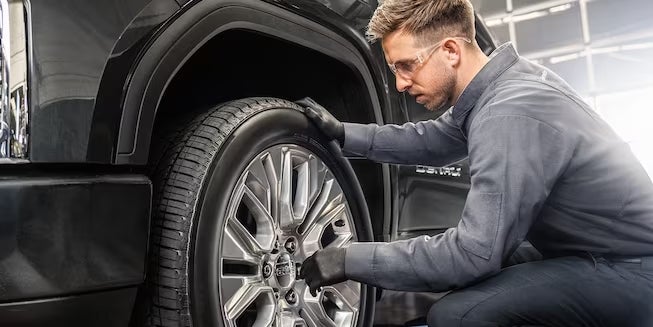
Winter weather presents unique challenges for drivers. Cold temperatures, snow, and ice can have a significant impact on the performance of your tires. As one of the most crucial components of your vehicle, tires are your first line of defense against slippery roads. Proper tire maintenance ensures that your GMC Sierra 1500 stays responsive, stable, and in control, even when the temperature plummets.
Tire Pressure: The Hidden Threat of Cold Weather
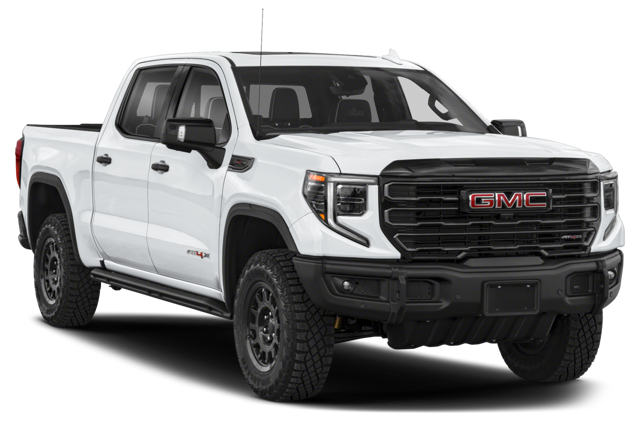
As temperatures drop, so does tire pressure. Cold air causes the air in your tires to contract, leading to lower pressure. Underinflated tires can result in decreased traction, increased wear, and reduced fuel efficiency. For a vehicle like the Sierra 1500, which is often used for hauling and towing, this can be especially dangerous. Make it a habit to check your tire pressure regularly, ideally once a month or before long trips. In winter, aim to keep your tires at the manufacturer-recommended pressure, which you can find in your owner’s manual or on the inside of the driver’s door.
Tire Tread Depth: Maximizing Grip
The tread depth of your tires directly affects how well they grip the road, particularly when roads are slick with snow or ice. The GMC Sierra 1500 is a powerful truck, but it relies on the grip of its tires to navigate through hazardous winter conditions. Inspect your tires’ tread depth regularly, and if the tread is worn down to 2/32 of an inch or less, it’s time to replace your tires. Consider switching to winter tires if you often encounter severe winter conditions, as they’re designed with deeper treads to channel snow and water away from the tire’s surface, reducing the risk of hydroplaning and improving traction.
Winter Tire Types: Choosing the Right Set for Your Sierra 1500
While all-season tires may suffice in milder climates, Wisconsin winters require more specialized tire types. Winter tires are crafted with rubber compounds that remain flexible even in freezing temperatures, offering better grip on snow and ice. If your GMC Sierra 1500 is your primary vehicle during the winter months, switching to a set of dedicated winter tires could be one of the best decisions you make. These tires are built to handle the cold while providing superior traction and control on icy roads.
Rotation and Alignment: Ensure Even Wear
Tire wear can be accelerated in the winter months due to rough road conditions, potholes, and frequent stops and starts. Regular tire rotation is essential to ensure even wear and extend the lifespan of your tires. If you notice that your Sierra 1500 pulls to one side or if the steering feels off-center, it might be time for a wheel alignment. Misaligned wheels cause uneven wear and can lead to poor handling, especially on icy roads. At Ewald Buick GMC, we recommend getting your tires rotated and aligned every 6,000 to 8,000 miles or before the start of winter.
Tire Storage: Protect Your Tires When Not in Use
If you opt for seasonal tire changes, storing your off-season tires properly is crucial for their longevity. Winter tires should be stored in a cool, dry place, away from direct sunlight and excessive heat. When storing them, make sure they are clean and dry to prevent moisture buildup that could cause rust or damage. Keep your tires off the ground by placing them on shelves or using a tire rack. This ensures they maintain their shape and stay in optimal condition for the following season.
Visual Inspection: Check for Damage
Before the first snowfall, it’s wise to inspect your tires for any visible signs of damage. Look for punctures, cuts, or sidewall bulges. These issues can compromise the tire’s integrity and pose serious safety risks in winter driving. If you notice any abnormalities, have the tire inspected by a professional. It’s better to address minor issues before they turn into more significant, potentially dangerous problems during winter driving.
Why Choose Ewald Buick GMC for Your Winter Tire Needs?
At Ewald Buick GMC of Menomonee Falls, we understand how critical tire maintenance is for your GMC Sierra 1500, especially during the Wisconsin winter months. Our experienced service technicians are ready to help with tire inspections, rotations, and installations to ensure your truck performs at its best, no matter the weather. If you’re unsure about whether your current tires are winter-ready, come by our dealership for a comprehensive tire check. We also offer a wide selection of winter tires suited to your GMC Sierra 1500, along with expert advice on which tire type is best for your driving needs.
The Bottom Line
Winter driving in Wisconsin can be unforgiving, but with the right tire maintenance, you can confidently navigate even the harshest conditions. From keeping your tire pressure in check to ensuring proper tread depth and selecting the right winter tires, these simple yet effective steps will help you get the most out of your GMC Sierra 1500. Don’t wait for the first snowstorm to realize your tires need attention—take proactive measures now to keep your truck running smoothly through the winter months.
Visit Ewald Buick GMC of Menomonee Falls today for all your winter tire maintenance needs.
Connect with us


- 2025 Buick Envista
- Brookfield
- Buick
- Buick Encore
- Buick Encore GX
- Buick Envision
- Buick Service
- Ewald Buick GMC of Menomonee Falls Service
- Finance
- Germantown
- GMC
- GMC Dealership
- GMC Parts
- GMC Sierra
- GMC Sierra EV
- GMC Terrain
- GMC Yukon
- GMC Yukon XL
- Hummer EV Pickup
- Hummmer EV SUV
- Menomonee Falls
- Menomonee Falls Buick Dealer
- Menomonee Falls Used Cars
- Mequon
- Milwaukee
- New Cars
- Service
- Sierra HD
- SUVs
- Terrain
- Uncategorized
- Used
- Used SUVs
- Used Trucks